What Does a Certified Nurse-Midwife Do? A Prosper, TX Guide
If you're pregnant in Prosper or anywhere in Collin County and you've started researching your care options, you've probably come across the term "Certified Nurse-Midwife" — and maybe wondered what that actually means, how it's different from an OB, and whether it's right for your pregnancy.
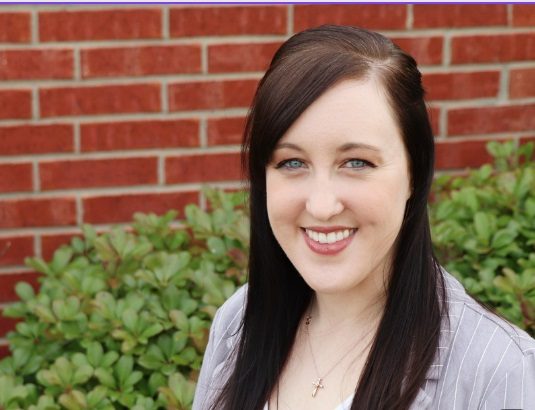
I'm Kristen Parks, APRN-CNM — the owner and lead midwife at Texas Family Birth & Wellness, the first CNM-owned birth center in Collin County north of Hwy 380. I wrote this guide to give you a clear, honest answer to those questions.
What Is a Certified Nurse-Midwife (CNM)?
A Certified Nurse-Midwife is a registered nurse who has completed graduate-level education and clinical training in midwifery and women's health, and passed a national board certification examination administered by the American Midwifery Certification Board (AMCB).
In Texas, CNMs practice as Advanced Practice Registered Nurses (APRNs) — which is why you'll see the credential written as "APRN-CNM." This means we are licensed at the highest level of nursing practice and authorized to provide a broad scope of clinical care including:
- Prenatal care throughout pregnancy
- Labor support and birth attendance
- Postpartum care for mom and newborn
- Gynecological care including annual exams, pap smears, and STI screening
- Birth control counseling and prescriptions
- IUD and Nexplanon services
- Pre-conception counseling
- Ordering and interpreting labs and imaging
- Prescribing medications within our scope
CNM vs. OB: What's the Difference?
This is the question I hear most often. The short answer: CNMs and OBs are trained differently, practice differently, and are suited to different patient populations — though there is meaningful overlap.
Obstetricians (OBs)
OBs are physicians who completed medical school followed by a four-year residency specializing in obstetrics and gynecology. They are surgical specialists — specifically trained to manage high-risk pregnancies, perform cesarean sections, and handle obstetric emergencies. OB training is primarily focused on pathology: identifying what's wrong and intervening to fix it.
For high-risk pregnancies — preterm labor, placenta previa, severe preeclampsia, multiple gestations — OB management is essential. These situations require a surgeon and a hospital.
Certified Nurse-Midwives (CNMs)
CNMs are trained in the physiology of normal pregnancy and birth. Our model is built around the understanding that for low-risk pregnancies, birth is a normal physiologic process that works best when supported and protected rather than medically managed on a schedule.
Where OB training emphasizes intervention, CNM training emphasizes patience, observation, relationship, and the skill of knowing when to intervene and when to wait. That distinction plays out in meaningfully different care experiences.
A useful way to think about it: If you were a competitive runner with a healthy knee, you'd see a physical therapist to optimize your form — not an orthopedic surgeon. The surgeon is essential when something is wrong. For what's working normally, a specialist in normal function often serves you better. CNMs are specialists in normal, physiologic pregnancy and birth.
CNM vs. Direct-Entry Midwife: An Important Distinction
In Texas, there are two types of licensed midwives: Certified Nurse-Midwives (CNMs) and Licensed Midwives (LMs), sometimes called direct-entry midwives or Certified Professional Midwives (CPMs).
The educational and clinical requirements are significantly different:
- CNMs complete a Bachelor of Science in Nursing, pass the NCLEX-RN licensure exam, work as registered nurses, then complete a graduate-level CNM program (typically a Master's or Doctoral degree) with extensive clinical hours in hospital and birth center settings.
- Licensed Midwives in Texas complete a state-approved midwifery education program that does not require prior nursing licensure. Their scope of practice is limited to out-of-hospital births.
Neither path is inherently better or worse — but they represent different levels of clinical training, particularly in managing obstetric emergencies and neonatal resuscitation. As a CNM, I practice with the clinical background of an RN who has worked in surgery, emergency medicine, and oncology in addition to women's health — that breadth informs everything I do.
What Does a CNM Actually Do Day-to-Day?
At Texas Family Birth & Wellness, a typical patient's journey with me looks like this:
- New OB visit (6–10 weeks): Confirm pregnancy, review health history, order labs, perform first exam, begin building your care plan and birth preferences
- Prenatal visits every 4 weeks (to 28 weeks): 45–60 minute appointments covering fetal development, maternal health, nutrition, education, and relationship building
- In-house ultrasounds: First trimester and anatomy scans performed by our sonographer, Cari Turner, right in the birth center
- Every 2 weeks (28–36 weeks): More frequent monitoring, labor preparation, Group B Strep testing, finalizing birth preferences
- Weekly (36 weeks to birth): Weekly visits, cervical assessment if desired, continuous availability
- Labor and birth: I am present with you throughout active labor and birth — not checking in, not handing off
- Postpartum visits: 24-hour visit, 2-week visit, 6-week visit — plus in-home lactation support from Laura Silvas, RN, IBCLC at 3–5 days
- Well-woman care: Ongoing gynecological care after your birth journey — annual exams, birth control, and more
Is a CNM Right for Your Pregnancy?
CNM care at a birth center is designed for low-risk pregnancies. You're likely a good candidate if you have a healthy singleton pregnancy, no uncontrolled chronic conditions, and a genuine interest in a low-intervention birth experience with a provider who will truly know you.
The best way to find out is a free Discovery Consultation — 60 minutes, no obligation, no paperwork. We'll talk through your health history, your questions, and whether TFBW is the right fit for your family.
Serving Prosper, Celina, McKinney, Frisco, Allen, and all of Collin County. Texas Family Birth & Wellness is the first CNM-owned birth center in Collin County north of Hwy 380. Call us at (469) 481-6169 or schedule a free consultation online.
Free 30-Minute Discovery Consultation
Tour the birth center, ask every question, and see if TFBW is right for your family.